 Watch on YouTube
Working demonstration
Hybrid Hydro-Solar Energy Storage System
Welcome to our working demonstration of the Hybrid Hydro-Solar Energy Storage System developed at MVJ College of Engineering.
Project overview
Clean Energy, Stored With Water
Welcome
This project demonstrates how renewable energy sources such as solar and hydro power can be integrated to generate, store, and utilize clean electrical energy efficiently. The model is designed to showcase sustainable power generation using environmentally friendly methods and practical energy storage techniques.
Components Used
- 8W 18V Solar Panel
- LM2596 DC-DC Buck Converter
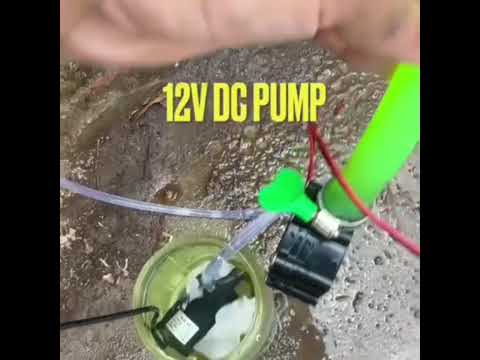
- Mini Water Pump
- Hydro Turbine Generator
- Upper and Lower Water Reservoir Tanks
- LED Lighting Load
- Connecting Circuit and Storage System
Working Principle
The solar panel captures sunlight and converts it into DC electrical energy. Since the panel output voltage is higher than the required operating voltage, an LM2596 buck converter is used to regulate and stabilize the output. The regulated power is then used to drive a water pump.
The pump transfers water from the lower reservoir to the upper storage tank, where energy is stored in the form of gravitational potential energy. Whenever power is required, the stored water is released from the upper tank through the hydro turbine setup. The flowing water rotates the turbine and generates electricity, which can be used to power loads such as LED lighting.
This method of storing energy using water acts as an alternative to conventional lithium-ion battery storage systems. Unlike lithium-ion batteries, pumped hydro storage does not face issues such as chemical degradation, limited charging cycles, overheating risks, or disposal concerns. It provides a cleaner, safer, and more sustainable approach for long-term renewable energy storage.
Objectives
- Promote renewable and sustainable energy solutions
- Demonstrate hybrid power generation methods
- Reduce dependence on conventional energy sources
- Showcase practical energy storage concepts
- Encourage clean and eco-friendly technology
Applications
- Rural electrification
- Small-scale renewable energy systems
- Educational demonstrations and engineering projects
- Backup power systems
- Large scale dams, new and old
- Sustainable smart energy solutions